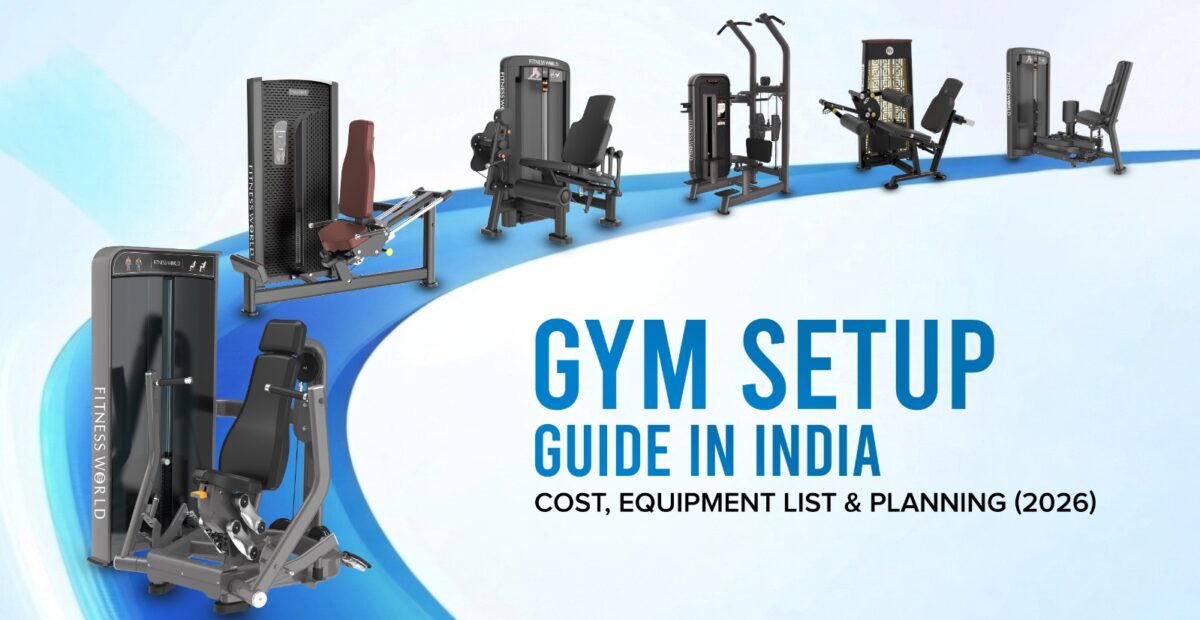
Gym Setup Guide in India: Cost, Equipment List & Planning (2026)
Planning a gym setup in India is a major investment that requires careful decision-making at every step. Whether you are opening your first fitness center, expanding an existing facility, or creating a personal training studio, the success of your gym depends on how well you plan your space, equipment, and overall strategy. Many gym owners make the mistake of focusing only on buying machines, but a successful setup goes beyond that. It involves understanding your target audience, managing costs, optimizing layout, and choosing the right supplier.
With the fitness industry growing rapidly, competition is also increasing. This means your gym needs to offer a well-structured environment with the right mix of equipment and user experience. This guide will help you understand everything involved in a gym setup, from cost planning to equipment selection and avoiding common mistakes.
Types of Gym Setups
Before you begin investing in equipment, it is important to decide the type of gym setup you want to create. Different setups require different levels of investment, space, and equipment planning.
A home gym setup is ideal for individuals who want a personal workout space. It usually requires limited equipment and focuses on versatility. Basic cardio machines, adjustable benches, and free weights are often enough to create a functional home gym. The main advantage of a home setup is convenience, but it typically serves a limited number of users.
A commercial gym setup is designed for high footfall and requires a wide range of equipment. These gyms need multiple cardio machines, a full set of strength equipment, and dedicated areas for functional training. Since these facilities operate throughout the day, durability and quality of equipment become critical factors. Commercial setups also require proper layout planning to ensure smooth movement and safety.
A studio gym setup is a more specialized format that focuses on specific training styles such as functional fitness, personal training, or group classes. These gyms often require less bulky machinery and more open space. Equipment like kettlebells, resistance bands, and suspension trainers are commonly used in such setups.
Gym Setup Cost in India
Understanding the cost of a gym setup is one of the most important parts of planning. The total investment depends on factors such as location, size, equipment quality, and the type of gym you want to build.
A small gym setup usually requires a limited budget and focuses on essential equipment. These setups are often suitable for smaller towns or niche markets. The cost typically includes a few cardio machines, basic strength equipment, and minimal interiors. While the initial investment is lower, careful planning is still required to make the most of the available resources.
A mid-size gym setup involves a more balanced investment. It includes a good mix of cardio and strength machines, along with improved interiors and better-quality equipment. This type of setup is ideal for urban areas where users expect a higher standard of facilities. The cost increases due to the need for more machines and better durability.
A large commercial gym setup requires significant investment and detailed planning. These gyms are designed to handle high traffic and offer a premium experience. The cost includes advanced equipment, spacious layouts, professional interiors, and additional facilities such as locker rooms and functional training zones. While the upfront cost is higher, these gyms have greater revenue potential if managed properly.
Complete Gym Equipment List
A well-planned equipment list is essential for creating a gym that meets user expectations. The goal is to provide a variety of workout options without overcrowding the space.
Cardio equipment forms the foundation of any gym. Machines like treadmills, exercise bikes, and elliptical trainers are essential because they are used by almost every member. These machines help users improve endurance, burn calories, and warm up before workouts. In commercial gyms, having multiple units is necessary to avoid waiting time during peak hours.
Strength training equipment is equally important, especially for users focused on muscle building. Machines such as chest press, leg press, and cable systems allow controlled movements and target specific muscle groups. In addition to machines, free weights like dumbbells and barbells should also be included to provide more flexibility in workouts.
Accessories and functional equipment add versatility to your gym. Items like resistance bands, kettlebells, medicine balls, and mats are used for functional training and group workouts. These accessories do not require much space but significantly enhance the overall workout experience.
Space Planning & Layout
Proper space planning is one of the most overlooked aspects of a gym setup, yet it plays a major role in user experience and safety. A well-designed layout ensures that members can move freely between different sections without feeling crowded.
The first step in planning your layout is to divide the gym into zones such as cardio, strength training, and functional training. Each zone should have enough space to accommodate equipment and allow users to perform exercises comfortably. Placing cardio machines near the entrance is a common practice, as it creates an active and inviting atmosphere.
Equipment spacing is equally important. Machines should not be placed too close to each other, as this can lead to safety issues and discomfort. Adequate spacing also allows for proper maintenance and cleaning. In addition, clear pathways should be maintained to ensure smooth movement across the gym.
Choosing the Right Gym Equipment Supplier
Selecting the right supplier is a critical decision that can impact the quality and longevity of your gym setup. A good supplier does more than just sell equipment; they act as a partner in your business.
One of the key factors to look for is product quality. The supplier should offer durable equipment that can handle regular usage, especially in commercial setups. Installation support is another important aspect, as proper setup ensures that machines function correctly and safely.
After-sales service is often overlooked but becomes crucial in the long run. Equipment may require maintenance or repairs, and a reliable supplier should be able to provide timely support. It is also beneficial to choose a supplier that offers a wide range of equipment, as this allows you to source everything from one place and maintain consistency in quality.
Common Mistakes in Gym Setup
Many gym owners make avoidable mistakes during the setup process, which can affect both performance and profitability. One of the most common issues is overspending on unnecessary equipment. Investing in too many machines without understanding user demand can lead to wasted space and resources.
Another common mistake is choosing the wrong mix of equipment. Focusing too much on one category, such as strength training, while neglecting cardio or functional training, can limit your gym’s appeal. A balanced approach is always more effective.
Poor layout planning is another issue that can create long-term problems. A cramped or poorly organized space can lead to a negative user experience and even safety concerns. Taking the time to plan your layout properly can prevent these issues.
Get Professional Gym Setup Services
Setting up a gym involves multiple steps, from planning and equipment selection to installation and ongoing maintenance. Managing all these aspects on your own can be challenging, especially if you are new to the industry. This is where professional gym setup services can make a significant difference.
Working with an experienced provider ensures that your gym is designed efficiently and equipped with the right machines. Professional services include layout planning, equipment selection, installation, and after-sales support. This not only saves time but also helps avoid costly mistakes.
If you are looking to build a gym that stands out in terms of quality and performance, partnering with a reliable gym equipment provider can give you a strong foundation. A well-planned setup, supported by the right expertise, increases your chances of long-term success in the competitive fitness market.