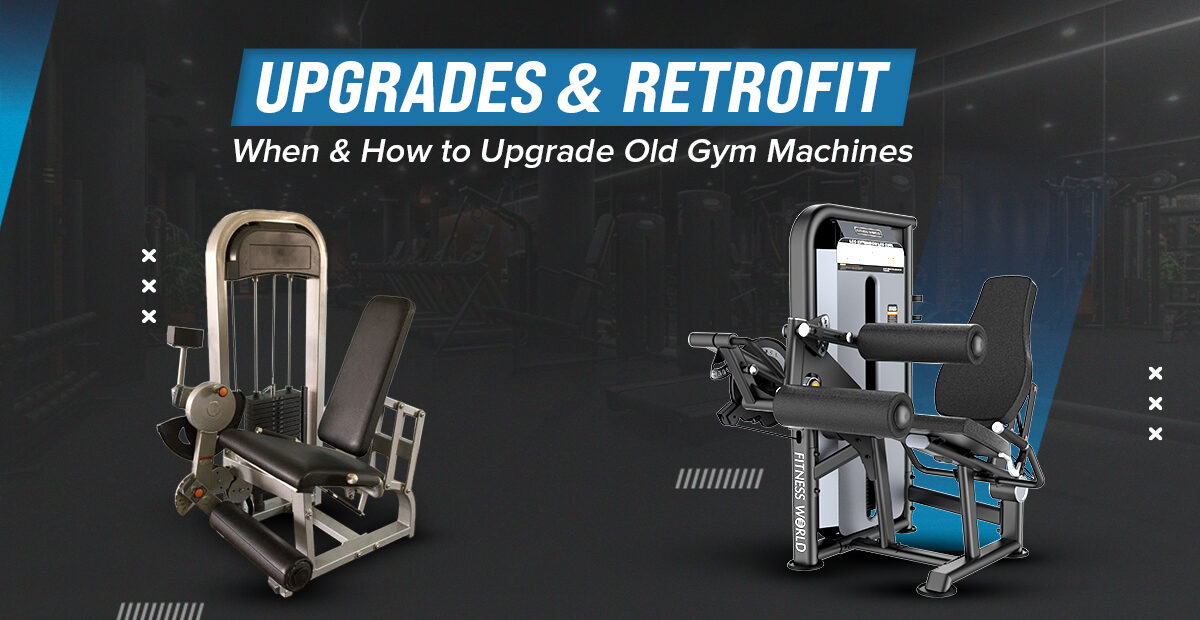
Upgrades & Retrofit: When & How to Upgrade Old Gym Machines
As a gym owner or fitness enthusiast, you know that quality workout experience and safety go hand in hand. Over time, gym machines- whether cardio or strength machines, go through wear and tear, show signs of age, or simply become outdated. Knowing when to invest in a gym equipment upgrade or opt for a retrofit gym machine approach can make all the difference. In this post, we explore why and how you should upgrade or refurbish your gym machines, ensuring long-term performance, safety, and member satisfaction.
Why Upgrade or Retrofit?
- Safety & Reliability
Old machines, especially those used heavily, can begin to show structural wear, worn-out belts, frayed cables or loose bolts. Such wear not only affects performance but can also pose serious injury risks.
A timely upgrade or retrofit ensures that machines remain stable and safe, meeting your gym’s safety standards and preserving your brand’s reputation. - Improved User Experience & Member Satisfaction
Modern gym users expect smooth performance, accurate resistance, ergonomic design, and sometimes even digital features.
By upgrading, you can deliver a superior workout experience, better biomechanics, more comfortable grips/seats, quieter operation, and improved overall feel. - Cost-Effectiveness & Longevity
Regular fitness machine maintenance can extend the functional lifespan of equipment considerably.
Additionally, opting to refurbish gym equipment- replacing worn components, re-padding upholstery or re-lubricating moving parts is often far more budget-friendly than full replacement, while still offering near-new functionality.
Such an approach supports sustainability and helps maximize return on investment.
When Should You Consider Upgrading or Retro-fitting?
Here are some trigger points to watch out for:
- Machines are more than 5–7 years old (common for cardio equipment) or 8–12 + years for strength equipment.
- Frequent breakdowns, persistent maintenance requests, or rising repair costs.
- Noticeable decline in performance, for e.g. jerky movements, loose cables, squeaky components, or uneven resistance.
- Member feedback reporting discomfort, safety concerns, or dissatisfaction with outdated feelings.
- Your gym brand identity demands consistent quality, modern aesthetics, and reliability, especially in a competitive market.
How to Approach Upgrades / Retrofits Smartly
- Set up a maintenance & inspection schedule: Regular checks- ideally quarterly for most equipment, more frequently for high-usage machines, help catch issues early.
- Prioritize based on usage and member impact: Begin with high-traffic cardio machines and frequently used strength equipment.
- Weigh cost vs. benefit of retrofit vs. replacement: Refurbishing worn machines by replacing upholstery, lubricating moving parts, renewing cables/rollers, may restore performance at lower cost.
- Upgrade design and ergonomics where possible: Newer machines often offer improved ergonomics, smoother mechanics, better aesthetics, boosting workout quality and gym ambience.
- Document and track maintenance / upgrade history: Staying ahead with records helps plan future overhauls strategically and maintain consistent quality across your gym setups.
At Fitness World, we understand that every gym, whether a boutique studio or a large commercial setup deserves machines that deliver safety, performance and longevity. An informed strategy combining gym equipment upgrade, timely fitness machine maintenance, and retrofit gym machines gives you the best of both worlds: extended machine life with a modern, premium workout experience.
Rather than waiting for breakdowns or declining member satisfaction, plan your upgrades and refurbishments proactively. That way, your gym remains a space where performance, safety and member delight go hand in hand and your investment continues to pay off.